What is commercial cleaning? A guide for UK businesses
What commercial cleaning means, what it usually includes, how it differs from domestic cleaning and how UK businesses can arrange it.
By KleanLinc · Updated · 2 min read
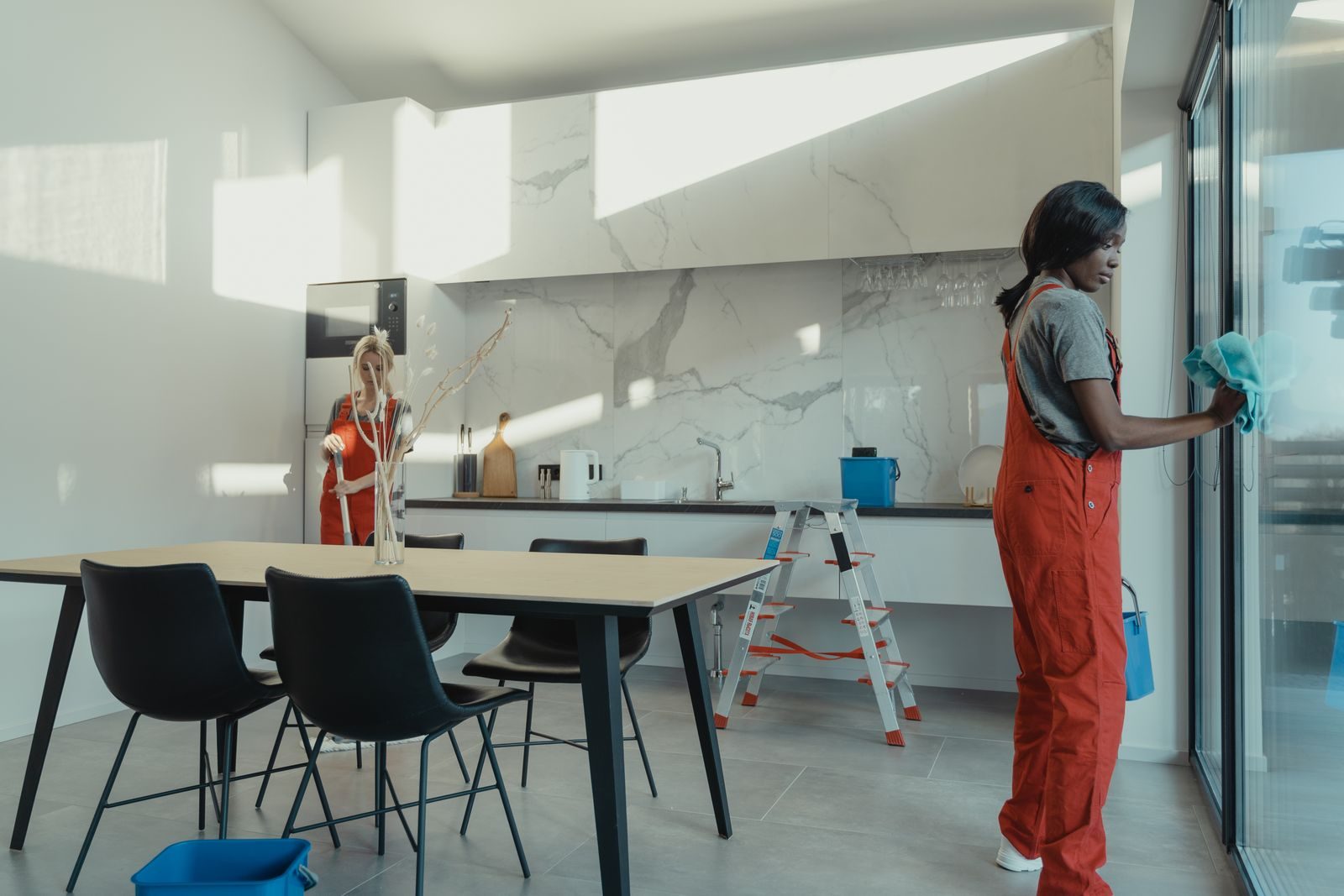
Commercial cleaning is the cleaning of business premises, such as offices, shops, clinics, gyms, venues and shared areas in residential buildings. It covers the routine cleaning that keeps a workplace usable and presentable, and sometimes specialist work too.
This guide explains what commercial cleaning includes and how to choose the right arrangement for your business.
What commercial cleaning includes
- Routine cleaning of work areas, floors and surfaces.
- Washroom and kitchen cleaning and restocking.
- Bins, recycling and general waste.
- Entrance, reception and customer area presentation.
- Periodic deep cleans and specialist tasks such as carpet or window cleaning.
Commercial cleaning versus domestic cleaning
Domestic cleaning is for private homes and is usually arranged between a household and a cleaner. Commercial cleaning is arranged by a business and often involves larger spaces, more people, access and security procedures, and written health and safety arrangements.
Commercial cleaning visits are often scheduled outside business hours, such as early mornings or evenings, so they do not disrupt staff or customers.
Types of commercial premises
- Offices and co-working spaces. See our office cleaning checklist.
- Shops and showrooms. See our guide to retail cleaning.
- Clinics, dental practices and salons.
- Gyms, studios and community venues.
- Communal areas in blocks of flats.
Your responsibilities as a business
In Great Britain, the Workplace (Health, Safety and Welfare) Regulations 1992 (opens in a new tab) require workplaces to be kept sufficiently clean. Businesses also need to think about how cleaning products are stored and used under COSHH, and about the safety of anyone working on their premises.
The HSE's cleaning guidance (opens in a new tab) is a good starting point for the main risks in cleaning work.
How to arrange commercial cleaning
- List what needs cleaning, how often and when. A cleaning brief helps.
- Decide whether an independent cleaner or a cleaning company suits you.
- Ask for site visits and written quotes.
- Agree the scope, price, access and notice terms in writing.
KleanLinc is a UK platform preparing to launch. It is not a cleaning company: the planned platform will let businesses post requirements, review relevant profiles of local, independent cleaners and agree terms directly. Joining the Founding Employer list is free and records interest only.
Frequently asked questions
- What does commercial cleaning mean?
- Commercial cleaning is the cleaning of business and shared premises, such as offices, shops, clinics and venues, usually to an agreed written scope.
- What is the difference between commercial and domestic cleaning?
- Domestic cleaning is for private homes. Commercial cleaning is for business premises and usually involves larger spaces, access procedures and written health and safety arrangements.
- Can a self-employed cleaner do commercial cleaning?
- Yes. Many small businesses use independent cleaners. Larger sites may need a team or a cleaning company.
Official sources
- legislation.gov.uk: Workplace (Health, Safety and Welfare) Regulations 1992, regulation 9 (opens in a new tab)
- HSE: Cleaning (opens in a new tab)
- HSE: COSHH (opens in a new tab)
This guide is general information, not legal, tax or financial advice. Rules and fees change, so check the official source for your situation. KleanLinc is preparing to launch; platform features described here are planned, not live.