COSHH and cleaning: what businesses need to know
A plain-English guide to COSHH for cleaning in UK workplaces: hazardous cleaning products, risk assessments, safety data sheets and storage.
By KleanLinc · Updated · 2 min read
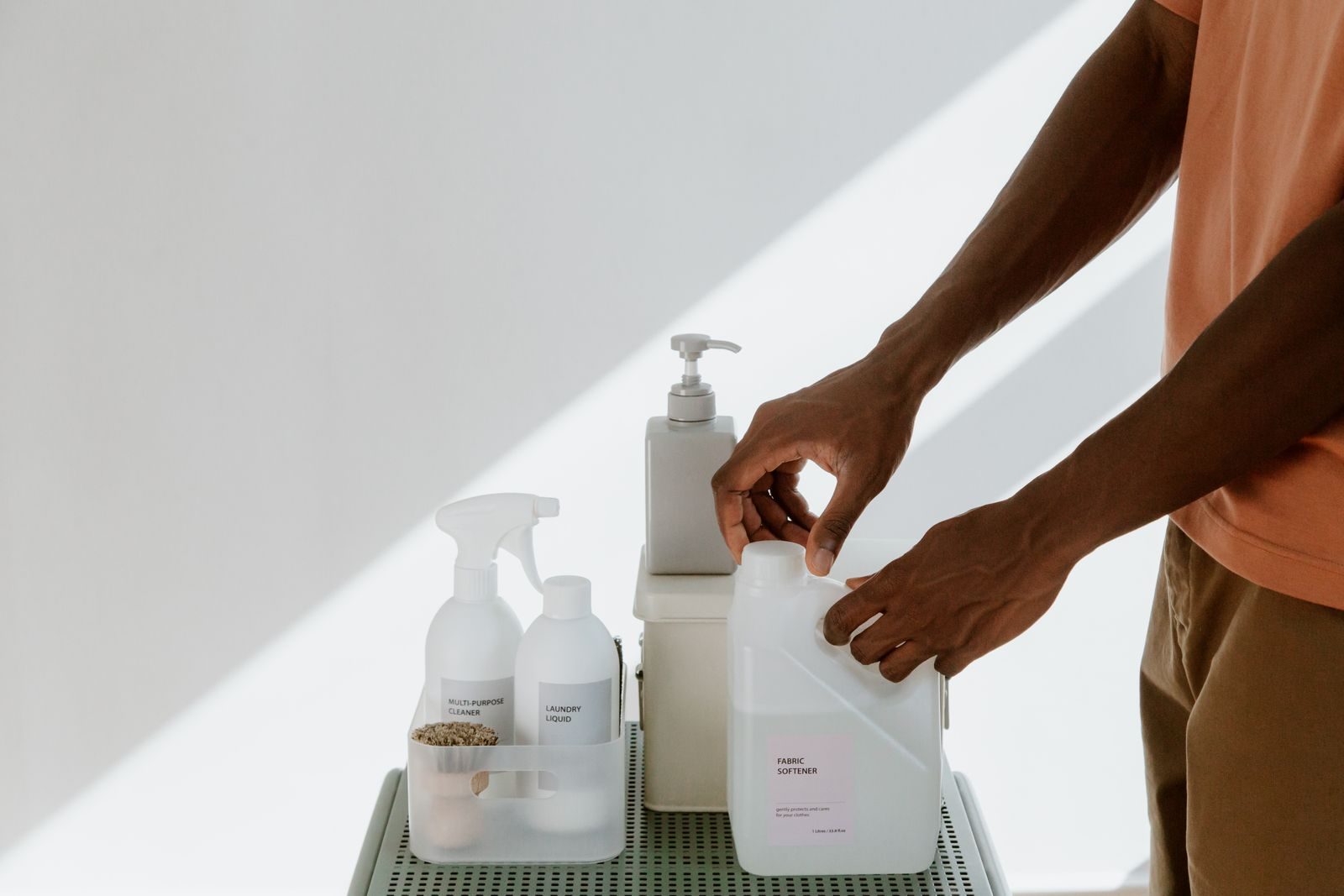
Many everyday cleaning products, such as bleach, descalers and oven cleaners, can be hazardous if they are used or stored incorrectly. In Great Britain, the Control of Substances Hazardous to Health Regulations 2002, known as COSHH, set out how these risks should be managed at work.
This guide explains the basics for businesses that have their premises cleaned. It is general information: the HSE's COSHH pages (opens in a new tab) are the authoritative source.
What COSHH covers
COSHH applies to substances that can harm health, including chemicals that are corrosive, irritant or harmful if breathed in or swallowed. Many cleaning products fall into this group. The regulations require employers to prevent or adequately control exposure.
The COSHH assessment
The HSE explains (opens in a new tab) that a COSHH assessment looks at the hazardous substances used, who could be harmed and how, and what controls are needed. For cleaning, that usually means:
- Listing the cleaning products used on site.
- Reading each product's label and safety data sheet.
- Deciding how to reduce risk, for example by choosing a less hazardous product.
- Setting rules for use, such as ventilation, dilution and gloves.
- Reviewing the assessment when products or tasks change.
Safe storage and use
- Store products in their original, labelled containers.
- Keep them in a secure, ventilated place away from food and staff areas.
- Never mix products, especially bleach with acids or ammonia-based cleaners.
- Provide suitable gloves and other protection where the label requires it.
Working with an independent cleaner
When a self-employed cleaner brings their own products, both of you have a part to play. Ask which products they use and request the safety information. Tell them about any site hazards and where products can be stored. Agreeing this in your cleaning brief avoids gaps.
The HSE also publishes general cleaning industry guidance (opens in a new tab), including slips and trips, which are a common risk in cleaning work.
Keep it proportionate
For a small office using a few standard products, COSHH does not have to be complicated. The HSE's simple health and safety guidance (opens in a new tab) helps small businesses decide what is needed.
KleanLinc is a UK platform preparing to launch. It is not a cleaning company: the planned platform will let businesses post requirements, review relevant profiles of local, independent cleaners and agree terms directly. Joining the Founding Employer list is free and records interest only.
Frequently asked questions
- Does COSHH apply to cleaning products?
- Yes, where a cleaning product is hazardous to health. Many common products, such as bleach and descalers, are covered.
- Who is responsible for COSHH when using a self-employed cleaner?
- Responsibilities are shared. Businesses and self-employed people both have duties, so agree which products are used, how they are stored and what site risks exist.
- What is a safety data sheet?
- A safety data sheet is information from the product supplier about hazards, safe handling, storage and first aid. It is a key input to a COSHH assessment.
Official sources
- HSE: COSHH (opens in a new tab)
- HSE: COSHH assessment (opens in a new tab)
- HSE: Cleaning (opens in a new tab)
- HSE: Simple health and safety (opens in a new tab)
This guide is general information, not legal, tax or financial advice. Rules and fees change, so check the official source for your situation. KleanLinc is preparing to launch; platform features described here are planned, not live.