How to get commercial cleaning contracts in the UK
How self-employed cleaners can win office and commercial cleaning contracts in the UK: where to look, what clients expect and how to quote.
By KleanLinc · Updated · 2 min read
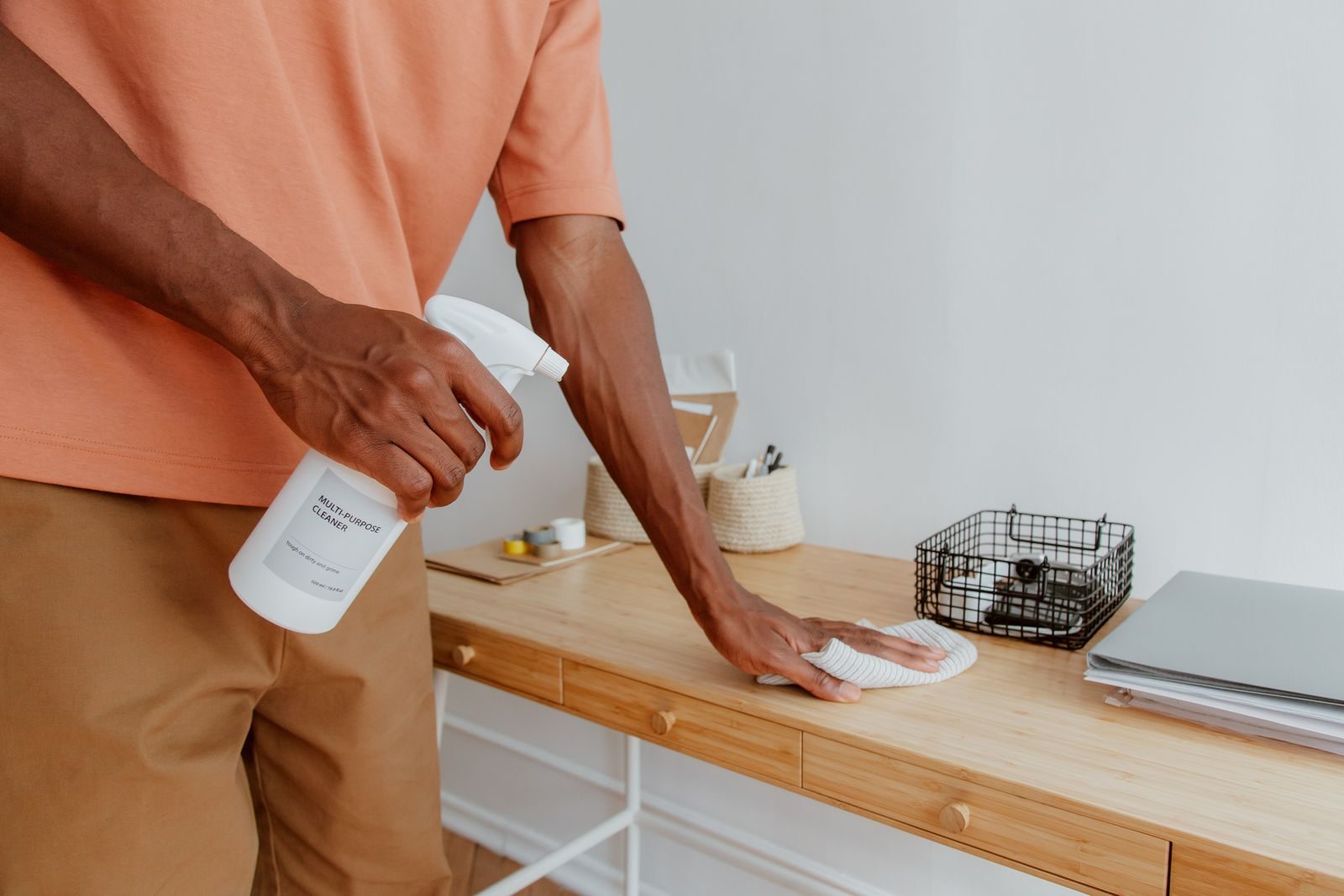
Commercial cleaning contracts can give you steady, regular work at predictable times, often early mornings or evenings that fit around domestic clients.
This guide explains how independent cleaners can find office and commercial cleaning work, what businesses look for and how to write a quote that wins.
Where to find commercial cleaning work
- Small offices and co-working spaces in your area.
- Dental and medical practices, salons and gyms.
- Shops, cafes and community venues that need cleaning before opening.
- Property managers who look after shared areas in blocks of flats.
- Cleaning platforms where businesses post requirements.
Smaller sites are the most realistic place to start. Large public-sector tenders usually need company accounts, policies and a team.
What businesses look for
Office managers and business owners usually care about four things: that the work is done consistently, that the cleaner can be relied on with access and alarms, that communication is clear, and that the cleaner has suitable insurance. Many will ask for a public liability certificate. Read do self-employed cleaners need insurance?
You should also be ready to talk about how you store and use products safely. Commercial clients may ask about COSHH, the regulations that cover hazardous substances. Our COSHH guide explains the basics.
Visit the site before you quote
Never quote for commercial work without seeing the space or a detailed brief. During the visit, note:
- floor types and the size of each area
- number of toilets, kitchens and meeting rooms
- access times, keys, fobs and alarm codes
- where products and equipment can be stored
- any areas that are off limits or need special care
Write a clear quote
A good commercial quote lists the tasks, how often each is done, the visit times, the price and payment terms. Including a simple office cleaning checklist helps the client see exactly what they are getting.
Agree what happens with holidays, sickness, extra tasks and notice periods. Our business guide to commercial cleaning contracts shows what clients expect to see.
Stay independent
If you are self-employed, keep control over how you do the work, use your own judgement and invoice for your services. HMRC's employment status guidance (opens in a new tab) explains why the real working arrangement matters, not only the label on a contract.
KleanLinc plans to let businesses post cleaning requirements and connect with local, independent cleaners, who agree terms directly. KleanLinc is a UK platform preparing to launch. Joining the Founding Cleaner list is free and records your interest only: it does not create a live account or guarantee work.
Frequently asked questions
- Can a self-employed cleaner get commercial contracts?
- Yes. Many small businesses prefer working with an independent cleaner they know. Start with smaller sites and build references.
- Do I need a company to win cleaning contracts?
- Not for most small commercial work. Larger tenders may ask for company accounts, policies and staff, which a sole trader may not have.
- How do I price an office cleaning job?
- Estimate the time each visit will take after a site visit, then apply your hourly rate and add any products or equipment you supply.
Official sources
This guide is general information, not legal, tax or financial advice. Rules and fees change, so check the official source for your situation. KleanLinc is preparing to launch; platform features described here are planned, not live.