How to become a self-employed cleaner in the UK: a step-by-step guide
A plain-English, step-by-step guide to becoming a self-employed cleaner in the UK: registering with HMRC, insurance, checks, pricing and finding clients.
By KleanLinc · Updated · 4 min read
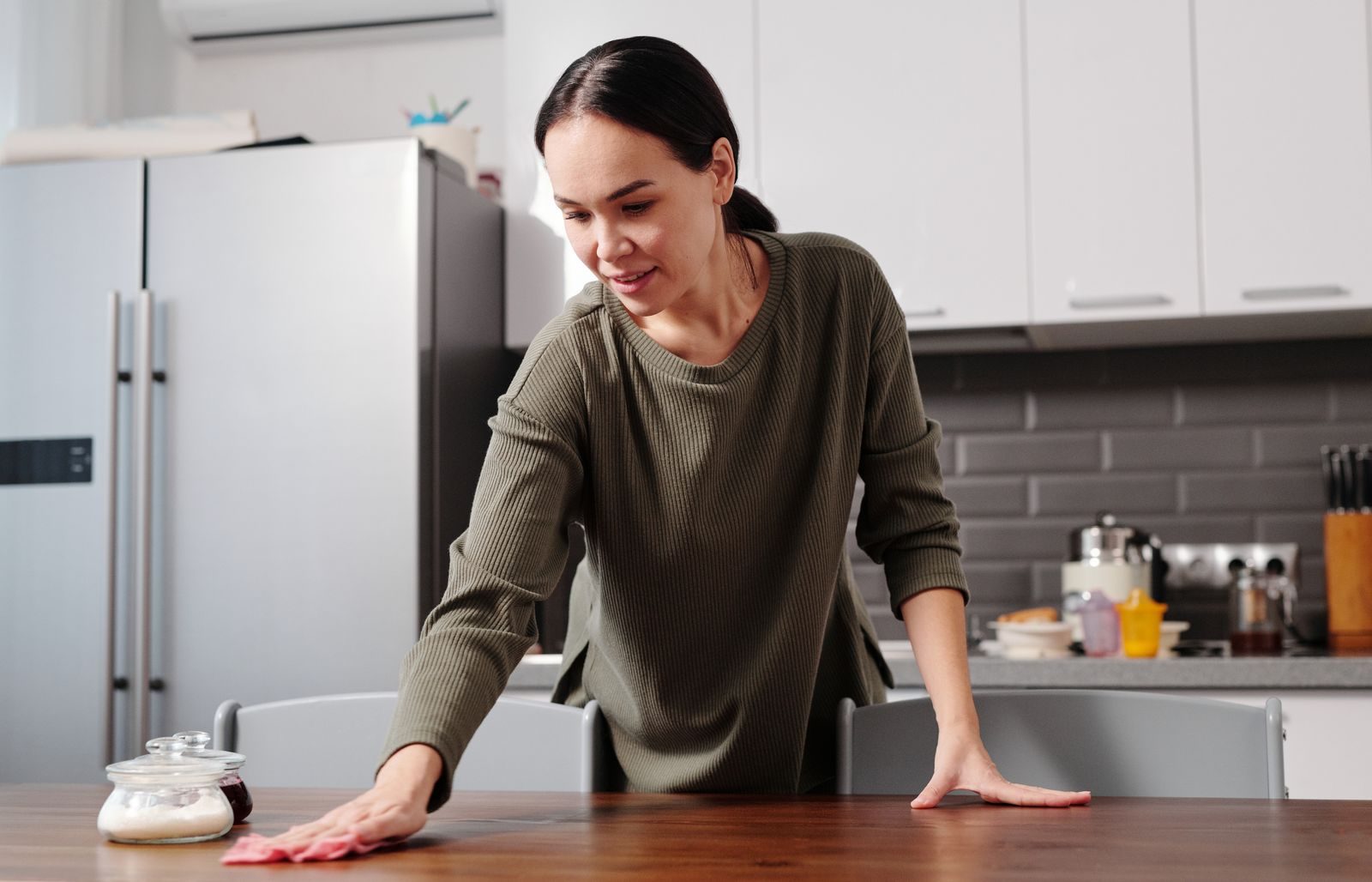
Becoming a self-employed cleaner in the UK is one of the most flexible ways to work for yourself. You choose your hours, your clients and the type of cleaning you do, whether that is homes, holiday lets, offices or end-of-tenancy work.
This guide walks through each step in order, from telling HMRC you are self-employed to finding your first regular clients. It links to the official GOV.UK pages so you can check the current rules for your own situation.
1. Decide what kind of cleaning you want to do
Start by choosing the work that suits your skills and schedule. Domestic cleaning usually means regular weekly or fortnightly visits to homes. Short-let and holiday-let changeovers are time-critical and often fall at weekends. Office and commercial cleaning tends to happen early in the morning or in the evening, when staff are not around.
You do not have to pick only one. Many self-employed cleaners mix regular domestic clients with a few commercial or changeover jobs to keep their week full.
2. Register as self-employed with HMRC
In the UK you register as a sole trader by registering for Self Assessment. According to GOV.UK (opens in a new tab), you must register if you earn more than £1,000 from self-employment in a tax year (6 April to 5 April).
If you need to send a tax return for the first time, you must tell HMRC by 5 October after the end of the tax year in which you started. Registering early means you receive your Unique Taxpayer Reference (UTR) in good time.
You will need a National Insurance number to register. Check the Self Assessment registration page (opens in a new tab) for the current steps.
3. Understand tax and National Insurance
As a sole trader you pay Income Tax on your profit, which is your cleaning income minus allowable expenses. You may also pay Class 4 National Insurance once your profits pass the threshold set for the year. GOV.UK publishes the current self-employed National Insurance rates (opens in a new tab).
Making Tax Digital for Income Tax is also being phased in. From April 2026 it applies to sole traders with qualifying income over £50,000, with lower thresholds following in later years. Most new cleaners will not be affected straight away, but it is worth keeping digital records from the start.
4. Set up simple records from day one
Good records make your tax return quicker and help you see which clients are worth your time. Keep a note of:
- every payment you receive, with the date and client
- receipts for cleaning products, equipment and insurance
- business mileage between clients
- invoices you send and when they were paid
A spreadsheet or a simple bookkeeping app is enough at the start. See our guide to self-employed cleaner expenses for what you may be able to claim.
5. Get insured and gather your documents
Public liability insurance covers you if a client or member of the public claims for injury or damage caused by your work. It is not usually a legal requirement for a sole trader with no staff, but many landlords, agents and businesses will only work with cleaners who have it. Read more in do self-employed cleaners need insurance?
Some clients may also ask to see a basic DBS certificate and proof of your right to work in the UK. Our guide to DBS checks for cleaners explains how to request your own.
6. Set your rates and find your first clients
Work out your rates before you advertise, so you can quote confidently. Your price needs to cover your time, travel, products, insurance and tax, and leave you a fair profit. Our guide to setting cleaning rates walks through the calculation.
Then tell people you are available. Word of mouth, local community groups and cleaning marketplaces are common starting points. We cover more ideas in how to get cleaning clients.
KleanLinc is a UK platform preparing to launch. Joining the Founding Cleaner list is free and records your interest only: it does not create a live account or guarantee work.
Frequently asked questions
- Do I need qualifications to become a self-employed cleaner?
- There is no legal qualification needed to work as a cleaner in the UK. Experience, good references and knowing how to use products safely matter more to most clients.
- When do I have to register with HMRC?
- If you need to send a tax return for the first time, tell HMRC by 5 October after the end of the tax year in which you started. You must register if you earn more than £1,000 from self-employment in a tax year.
- Can I be a self-employed cleaner alongside a job?
- Yes. Many people clean part time alongside employment. Your self-employed income still needs to go on a Self Assessment tax return if it is over the £1,000 trading allowance.
Official sources
- GOV.UK: Register as a sole trader (opens in a new tab)
- GOV.UK: Check how to register for Self Assessment (opens in a new tab)
- GOV.UK: Self-employed National Insurance rates (opens in a new tab)
- GOV.UK: Find out if you need to use Making Tax Digital for Income Tax (opens in a new tab)
This guide is general information, not legal, tax or financial advice. Rules and fees change, so check the official source for your situation. KleanLinc is preparing to launch; platform features described here are planned, not live.